
The Most Common Septic Problems Homeowners Face
Homeowners facing common septic problems often need repairs or replacements, and local contractors can help resolve these issues efficiently and effectively.
Homeowners in the area often encounter a variety of septic system issues that can disrupt daily life and lead to costly repairs if not addressed promptly. Recognizing common problems such as slow drains, unpleasant odors, or sewage backups can help property owners stay ahead of more serious concerns. Understanding these issues is especially important for those with older systems or properties in areas with challenging soil conditions, where septic problems tend to be more frequent. Staying informed about the most common septic problems homeowners face ensures that property owners can make timely decisions about repairs or replacements, often with the help of experienced local contractors who specialize in septic system services.
Exploring this topic provides practical insights into the signs that indicate septic system trouble and highlights the importance of professional intervention when needed. Whether dealing with minor repairs or considering a full septic replacement, local service providers are equipped to handle a range of issues efficiently. Keeping an eye on potential problems and knowing when to seek expert assistance can help maintain a healthy, functioning septic system and prevent more extensive damage down the line. Continue reading to learn about typical septic challenges and how local contractors can support property owners in resolving them effectively.
- Septic tank replacement - needed when a septic tank has failed or is beyond repair, with local contractors handling removal and installation efficiently.
- Septic tank repair - required when issues like leaks or backups occur, and local service providers diagnose and fix problems to restore proper function.
- Drain field replacement - necessary if the drain field becomes saturated or fails, with local pros replacing or repairing the system to prevent further issues.
- Septic system troubleshooting - performed when homeowners experience frequent backups or odors, with local experts identifying and addressing underlying problems.
- Septic system upgrades - advised when older systems need modernization or capacity increases, with local contractors providing expert upgrades to meet current needs.
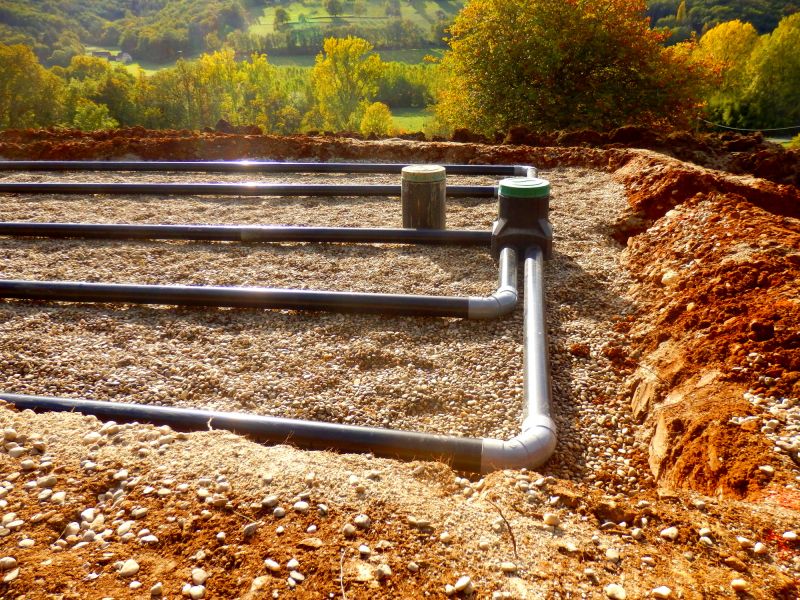
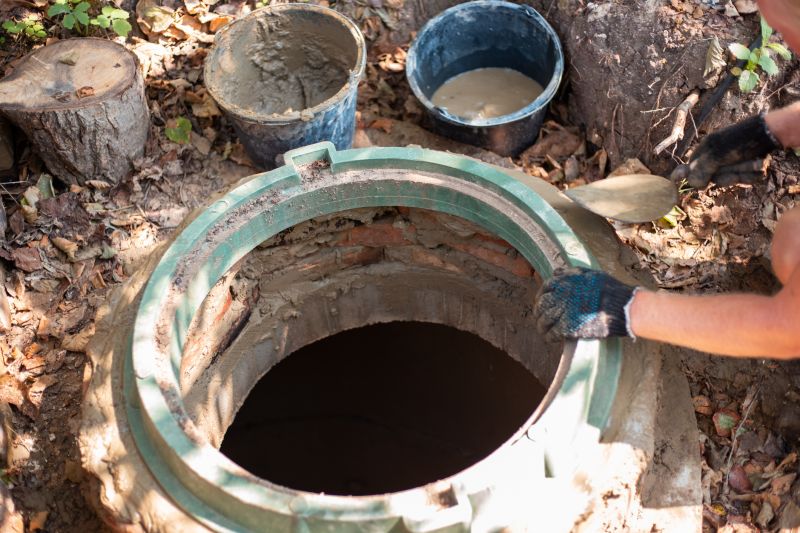
Understanding the most common septic problems homeowners face helps clarify what issues typically arise with residential septic systems. When people search for this topic, they often want to learn about signs of system failure, causes of backups, and what repairs or replacements might be necessary. These problems can stem from a variety of factors, including aging systems, improper maintenance, or environmental conditions. Recognizing these issues early can prevent more extensive damage and costly repairs, making it important for homeowners to understand the typical challenges that come with septic system ownership.
Septic system problems commonly involve backups, odors, and drain field failures. For example, a frequent concern is wastewater backing up into the home, which can be caused by clogs or a failing tank. Odors emanating from drains or the yard often signal problems with the septic tank or drain field, and these odors can be unpleasant and concerning. Drain field issues, such as saturated soil or broken pipes, can lead to poor wastewater absorption and may require repairs or replacement. Homeowners experiencing these issues may need to explore repair or replacement plans, which often involve professional septic services to restore proper function.
The types of properties affected by these common septic problems are typically rural homes, farms, or properties that are not connected to municipal sewer systems. These properties rely solely on septic systems to handle wastewater, making the health of the system crucial for daily living. Larger homes with multiple bathrooms or high water usage can place additional stress on septic systems, increasing the likelihood of problems. Even some smaller properties in suburban areas with private septic systems may encounter issues if the system is outdated or improperly maintained. Understanding the property type helps homeowners identify when their system might be at risk and when to seek local repair or replacement services.
Connecting with local service providers is essential for addressing common septic problems effectively. These professionals can diagnose issues accurately, whether it’s a simple clog or a more serious failure requiring tank replacement. Homeowners should view these service providers as resources for planning repairs or upgrades, especially when facing persistent odors, backups, or drain field failures. While the website does not perform the work itself, it helps homeowners compare local pros who have the experience and tools to handle various septic system challenges. Properly addressing these common problems ensures the system functions reliably and minimizes the risk of future issues.
Drain field installation - professionals who specialize in drain field setup often handle site planning and soil assessment, skills that are also essential for septic system repairs and replacements.
Septic tank pumping and cleaning - this routine maintenance work involves understanding septic system components, making it relevant for addressing common septic problems homeowners face.
Septic system inspections - local contractors conducting thorough inspections can identify issues early, helping to prevent costly repairs and resolve common septic system problems.
Drainage system repairs - repairing or upgrading drainage systems requires similar planning and excavation skills used in septic system replacement projects.
Soil testing and site analysis - expertise in soil properties is crucial for septic system installation, which directly relates to fixing problems caused by poor soil conditions.
Tank replacement and installation - specialists in tank installation have the experience needed to replace failing septic tanks and resolve the most common septic problems homeowners face.
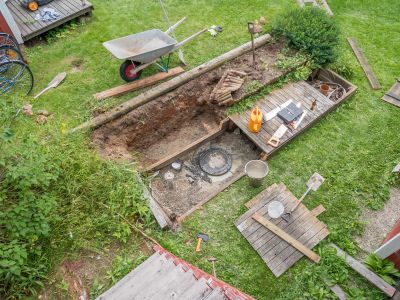
When comparing service providers for septic replacement or repair, it’s important to consider their experience with similar projects. Homeowners should inquire about how long a contractor has been working with septic systems, especially those facing common problems like clogs, backups, or system failure. An experienced local contractor will have a better understanding of the typical issues that arise and the most effective solutions, reducing the risk of unexpected complications during the repair or replacement process. Additionally, reviewing references or seeking feedback from previous clients can provide insight into the contractor’s ability to handle projects similar to the homeowner’s needs, ensuring a smoother and more predictable experience.
Clear written expectations are essential when evaluating local service providers. Homeowners should seek detailed estimates that outline the scope of work, materials to be used, and the steps involved in the repair or replacement process. Transparent communication about what is included and what might be additional helps prevent misunderstandings and ensures that both parties are aligned on project goals. A reputable contractor will be willing to provide this clarity upfront and answer any questions about the work, making it easier for homeowners to compare proposals and make informed decisions.
Good communication and reputable references are key indicators of a reliable service provider. Homeowners should prioritize contractors who are responsive and willing to discuss their project in detail, as this reflects professionalism and a commitment to customer service. Asking for references or reviews from previous clients can also help verify the contractor’s reputation for quality work and dependability. When local pros demonstrate transparency, promptness, and a history of positive feedback, homeowners can feel more confident in choosing a provider capable of addressing the most common septic problems efficiently and effectively.
Property owners often search for the most common septic problems homeowners face when they are planning practical projects around their homes and businesses. Local pros provide Septic Replacement or Repair services for everyday jobs and straightforward project options.
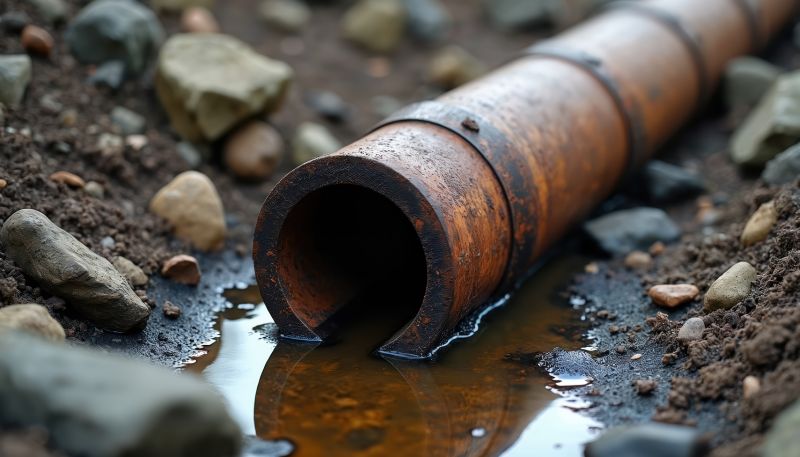
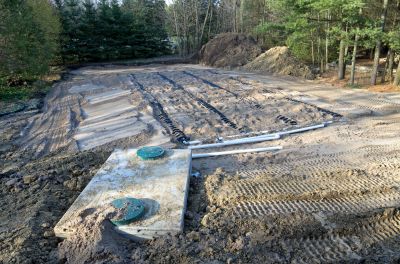
Many homeowners in the area encounter common septic problems that can disrupt daily routines and lead to costly repairs if not addressed promptly. Issues such as slow drains, foul odors, or sewage backups often signal underlying concerns with the septic system. These problems can arise from a variety of simple causes, including clogged pipes, accumulated solids, or damaged components within the tank. When such issues occur, property owners typically seek out local contractors who specialize in septic repair or replacement to diagnose the root cause and restore proper system function.
Understanding the most frequent septic problems helps homeowners recognize when professional intervention is needed. For example, persistent pooling or soggy areas near the drain field may indicate system failure requiring replacement, while recurring clogs or backups might be resolved through targeted repairs. Local service providers are equipped to handle these common issues efficiently, offering solutions that restore the septic system’s reliability. Connecting with experienced contractors can ensure that repairs or replacements are performed correctly, helping property owners maintain a healthy and functional septic system.
What are common signs of septic system failure? Homeowners often notice backups, slow drains, foul odors, or standing water near the septic tank, indicating potential problems that require inspection or repair by local contractors.
Why does my septic tank need replacement? Septic tanks may need replacing due to age, cracks, or heavy sludge buildup that cannot be effectively repaired, which local service providers can assess and address.
What causes septic system clogs or blockages? Clogs can result from improper waste disposal, excessive solids, or tree root intrusion, and experienced contractors can perform cleaning or repairs to resolve these issues.
How can I prevent septic system problems? Regular maintenance, mindful waste disposal, and timely inspections by local contractors can help prevent common septic issues and prolong system lifespan.
When is septic system repair necessary instead of replacement? Repairs are suitable for localized issues like minor leaks or blockages, while extensive damage or age-related deterioration may require a full system replacement by qualified service providers.
Identify early warning signs - Homeowners can monitor their septic systems for signs like odors or slow drains and seek septic repair services promptly.
Schedule regular inspections - Regular checkups by local contractors can help detect issues before they become major problems requiring septic replacement.
Address backup issues quickly - When backups occur, professional repair services can diagnose and resolve clogs or system failures efficiently.
Maintain proper waste disposal habits - Avoiding non-biodegradable items and excessive water use can reduce strain on septic systems, with local experts providing guidance on best practices.
If you are thinking about the most common septic problems homeowners face for a property, this guide is meant to help you understand this topic, the typical project types, and how different options might fit your plans.
When you are ready, you can use the quote form on this page to share a few details about your project. From there, local pros can review the basics and follow up with options that match what you have in mind.